Buy gamingstate.eu ?
We are moving the project
gamingstate.eu .
Are you interested in purchasing the domain
gamingstate.eu ?
domain@kv-gmbh.de · 0541-91531010
Buy gamingstate.eu ?
What are biological catalysts?
Biological catalysts, also known as enzymes, are proteins that speed up chemical reactions in living organisms. They do this by lowering the activation energy required for a reaction to occur, allowing it to happen more quickly. Enzymes are highly specific, meaning each one is designed to catalyze a specific reaction. They play a crucial role in metabolism, digestion, and many other biological processes. **
How do catalysts work?
Catalysts work by providing an alternative pathway for a chemical reaction to occur, which lowers the activation energy required for the reaction to proceed. This allows the reaction to occur more readily and at a faster rate. Catalysts themselves are not consumed in the reaction and can be used repeatedly, making them highly efficient in promoting chemical reactions. They can also increase the selectivity of a reaction, favoring the formation of a specific product. **

Similar search terms for Catalysts
Top-Angebote
Products related to Catalysts:
-
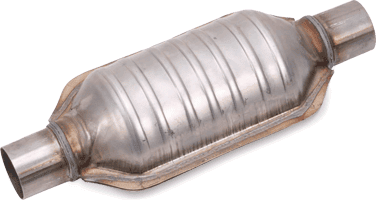
BM CATALYSTS BM80482H Catalytic converterGuarantee: 2 years guarantee; Material: Ceramic; only in connection with: FK80482; Product fulfils: Euro 4; Test Mark: E9-103R; Supplementary Info: Non-approved; Vehicle Equipment: for vehicles without diesel particulate filter (DPF); Emissions Standard: Up to Euro 4; Construction Year to: 05/2010; Construction Year from: 09/2008346,99 £*Shipping: 1,99 £Secure redirect to the provider
-
BM CATALYSTS BM91444H Catalytic converterGuarantee: 2 years guarantee; Material: Ceramic; only in connection with: FK91444; Product fulfils: Euro 4; Test Mark: E9-103R; Supplementary Info: Non-approved; Fitting Position: Front; Emissions Standard: Up to Euro 4, Up to Euro 3; Construction Year to: 06/2005, 07/2010175,99 £*Shipping: 1,99 £Secure redirect to the provider


-
Can catalysts be sold?
Yes, catalysts can be sold. Catalysts are valuable materials used in various industries such as chemical manufacturing, petroleum refining, and environmental protection. Companies that produce catalysts often sell them to other businesses that require these materials to facilitate chemical reactions or processes. The sale of catalysts is a common practice in the commercial market. **
-
Are catalysts highly reactive substances?
Catalysts are not highly reactive substances themselves. Instead, they work by providing an alternative pathway for chemical reactions to occur more easily and quickly, without being consumed in the process. This means that catalysts can increase the rate of a reaction without being permanently altered or used up, making them valuable tools in various industrial processes. **
-
Are catalysts very reactive substances?
Catalysts are not typically very reactive substances themselves. Instead, they work by providing an alternative pathway for a chemical reaction to occur more easily and quickly, without being consumed in the process. This means that catalysts can facilitate reactions without undergoing significant changes themselves, making them efficient and effective in promoting chemical reactions. **
-
What is activation energy and what role do catalysts play in it?
Activation energy is the minimum amount of energy required for a chemical reaction to occur. It is the energy needed to break the bonds of the reactant molecules and initiate the reaction. Catalysts are substances that can lower the activation energy of a reaction, making it easier for the reaction to occur. Catalysts do this by providing an alternative reaction pathway with a lower activation energy, allowing the reaction to proceed more quickly and efficiently. In the presence of a catalyst, the same reaction can occur with less energy input, making the process more favorable and increasing the rate of the reaction. **

Can you give examples of catalysts?
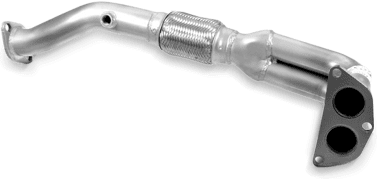
Sure! Some common examples of catalysts include enzymes in biological systems, such as the digestive enzymes in our stomach that help break down food. In industrial processes, catalysts like platinum and palladium are used in catalytic converters to convert harmful gases into less harmful substances in car exhaust. Additionally, in the production of chemicals, catalysts like nickel and iron are used to speed up reactions and increase efficiency. **
What are the properties of catalysts?
Catalysts are substances that can speed up a chemical reaction without being consumed in the process. They work by providing an alternative pathway for the reaction to occur, lowering the activation energy required for the reaction to take place. Catalysts can be specific to certain reactions and are often highly selective, meaning they only catalyze specific reactions. Additionally, catalysts can be used in small amounts and can be reused multiple times, making them cost-effective and environmentally friendly. **
Top-Angebote
Products related to Catalysts:
-
BM CATALYSTS BM91965H Catalytic converterGuarantee: 2 years guarantee; Material: Ceramic; only in connection with: FK91965; Product fulfils: Euro 4; Test Mark: E57-103R; Fitting Position: Front; TecDoc Engine Number: 18008, 18968; Emissions Standard: Up to Euro 4; Construction Year to: 06/2008, 08/2009345,99 £*Shipping: 1,99 £Secure redirect to the provider
-
BM CATALYSTS BM90780H Catalytic converterGuarantee: 2 years guarantee; Material: Ceramic; only in connection with: FK90780; Product fulfils: Euro 2; Test Mark: E9-103R; Supplementary Info: Non-approved; Construction Year to: 10/2000; TecDoc Engine Number: 4396; Vehicle Equipment: for vehicles without OBD; Emissions Standard: Up to Euro 2191,99 £*Shipping: 1,99 £Secure redirect to the provider
-
BM CATALYSTS BM80482H Catalytic converterGuarantee: 2 years guarantee; Material: Ceramic; only in connection with: FK80482; Product fulfils: Euro 4; Test Mark: E9-103R; Supplementary Info: Non-approved; Vehicle Equipment: for vehicles without diesel particulate filter (DPF); Emissions Standard: Up to Euro 4; Construction Year to: 05/2010; Construction Year from: 09/2008346,99 £*Shipping: 1,99 £Secure redirect to the provider
-
What are biological catalysts?
Biological catalysts, also known as enzymes, are proteins that speed up chemical reactions in living organisms. They do this by lowering the activation energy required for a reaction to occur, allowing it to happen more quickly. Enzymes are highly specific, meaning each one is designed to catalyze a specific reaction. They play a crucial role in metabolism, digestion, and many other biological processes. **
-
How do catalysts work?
Catalysts work by providing an alternative pathway for a chemical reaction to occur, which lowers the activation energy required for the reaction to proceed. This allows the reaction to occur more readily and at a faster rate. Catalysts themselves are not consumed in the reaction and can be used repeatedly, making them highly efficient in promoting chemical reactions. They can also increase the selectivity of a reaction, favoring the formation of a specific product. **
-
Can catalysts be sold?
Yes, catalysts can be sold. Catalysts are valuable materials used in various industries such as chemical manufacturing, petroleum refining, and environmental protection. Companies that produce catalysts often sell them to other businesses that require these materials to facilitate chemical reactions or processes. The sale of catalysts is a common practice in the commercial market. **
-
Are catalysts highly reactive substances?
Catalysts are not highly reactive substances themselves. Instead, they work by providing an alternative pathway for chemical reactions to occur more easily and quickly, without being consumed in the process. This means that catalysts can increase the rate of a reaction without being permanently altered or used up, making them valuable tools in various industrial processes. **
Similar search terms for Catalysts
-
BM CATALYSTS BM91444H Catalytic converterGuarantee: 2 years guarantee; Material: Ceramic; only in connection with: FK91444; Product fulfils: Euro 4; Test Mark: E9-103R; Supplementary Info: Non-approved; Fitting Position: Front; Emissions Standard: Up to Euro 4, Up to Euro 3; Construction Year to: 06/2005, 07/2010175,99 £*Shipping: 1,99 £Secure redirect to the provider
-
BM CATALYSTS BM50213 Exhaust PipeGuarantee: 2 years guarantee; only in connection with: FK50213; Fitting Position: Centre; Construction Year to: 03/2011; Vehicle Equipment: for vehicles with diesel particulate filter (DPF); Emissions Standard: Up to Euro 4128,99 £*Shipping: 1,99 £Secure redirect to the provider
-
BM CATALYSTS BM91974H Catalytic converterGuarantee: 2 years guarantee; Material: Ceramic; only in connection with: FK91974; Product fulfils: Euro 5; Test Mark: E57-103R; Supplementary Info: Non-approved; Fitting Position: Front; TecDoc Engine Number: 26688, 32304, 27989, 37141; Emissions Standard: Up to Euro 5; Construction Year to: 04/2015, 02/2015500,99 £*Shipping: 1,99 £Secure redirect to the provider
-
Are catalysts very reactive substances?
Catalysts are not typically very reactive substances themselves. Instead, they work by providing an alternative pathway for a chemical reaction to occur more easily and quickly, without being consumed in the process. This means that catalysts can facilitate reactions without undergoing significant changes themselves, making them efficient and effective in promoting chemical reactions. **
-
What is activation energy and what role do catalysts play in it?
Activation energy is the minimum amount of energy required for a chemical reaction to occur. It is the energy needed to break the bonds of the reactant molecules and initiate the reaction. Catalysts are substances that can lower the activation energy of a reaction, making it easier for the reaction to occur. Catalysts do this by providing an alternative reaction pathway with a lower activation energy, allowing the reaction to proceed more quickly and efficiently. In the presence of a catalyst, the same reaction can occur with less energy input, making the process more favorable and increasing the rate of the reaction. **
-
Can you give examples of catalysts?
Sure! Some common examples of catalysts include enzymes in biological systems, such as the digestive enzymes in our stomach that help break down food. In industrial processes, catalysts like platinum and palladium are used in catalytic converters to convert harmful gases into less harmful substances in car exhaust. Additionally, in the production of chemicals, catalysts like nickel and iron are used to speed up reactions and increase efficiency. **
-
What are the properties of catalysts?
Catalysts are substances that can speed up a chemical reaction without being consumed in the process. They work by providing an alternative pathway for the reaction to occur, lowering the activation energy required for the reaction to take place. Catalysts can be specific to certain reactions and are often highly selective, meaning they only catalyze specific reactions. Additionally, catalysts can be used in small amounts and can be reused multiple times, making them cost-effective and environmentally friendly. **
* All prices are inclusive of VAT and, if applicable, plus shipping costs. The offer information is based on the details provided by the respective shop and is updated through automated processes. Real-time updates do not occur, so deviations can occur in individual cases. ** Note: Parts of this content were created by AI.